Featured
Table of Contents
While marketing methods concentrate on instant conversions and campaigns, brand name marketing strategy builds long-term equity through constant experiences that compound value gradually. Brand name marketing technique serves as the north star for every brand decision, communication, and consumer interaction through efficient brand name management. It develops core values, articulates purpose, creates identity systems, and develops governance structures that make sure consistency across teams and channels.
This alignment streamlines project coordination, keeps messaging consistency, and provides cohesive experiences. The strategy likewise supplies decision requirements that assist teams examine whether initiatives reinforce or dilute brand name equity. Brand marketing builds compound interest gradually as trust grows, recognition spreads, and consumers become significantly loyal. When customers regularly encounter aligned brand experiences, they develop psychological shortcuts that make purchase choices quicker and easier.
through referrals and recognition. through repeat purchases. during market disturbances. Huge brands like Apple show this concept perfectly consumers pay premium prices and remain faithful since the brand name has actually constructed deep emotional connections around development and premium experience over decades. Building brand name equity needs stabilizing consistency with advancement. Your technique specifies how you'll separate from competitors, what advantages you'll provide, and how you'll stay appropriate as markets shift.
Brand equity builds up gradually through repeated favorable exposures. Nike exemplifies this by regularly investing in inspirational messaging that builds emotional connections beyond item functions, developing brand name equity that equates into market leadership and rates power. Marketing method and brand name marketing method serve various however complementary purposes. Comprehending these very genuine distinctions will help you allocate resources successfully and construct both instant momentum and long-lasting worth.

How to Build Lasting Media Outreach
Here's how these two strategies compare across key measurements: DimensionMarketing strategyBrand marketing method Primary goalDrive instant conversions and revenueBuild long-lasting brand name equity and relationships TimelineQuarterly projects and initiativesMulti-year sustained financial investment Secret metricsCPA, conversion rate, ROAS, pipeline velocityBrand awareness, factor to consider, preference, NPS Tactical focusPerformance marketing, lead generation, sales enablementBrand storytelling, thought management, customer experience Spending plan allocationCampaign-specific with ROI expectationsSustained investment with compounding returns Marketing strategy releases channels and methods based upon immediate performance information.
Conversely, brand name marketing method buys channels and content that build awareness and understanding even when direct attribution shows tough. Marketing strategy likewise enhances for performance and conversion at each funnel phase, utilizing A/B screening, audience segmentation, and performance tracking to make the most of short-term returns. Brand name marketing method enhances for consistency, memorability, and emotional resonance across all touchpoints, even when specific interactions don't generate immediate conversions.
As companies develop market presence, brand marketing method ends up being significantly crucial for sustainable competitive benefit. these organizations gain from brand marketing method that builds awareness and trustworthiness before efficiency marketing can successfully drive conversions. where items are similar, companies require brand name marketing strategy to produce differentiation beyond features and rates.
The Role of Reputation Management in Digital Growth
Strong brand name awareness decreases client acquisition costs because prospects currently recognize and rely on the brand. Specified brand name positioning makes messaging more efficient by supplying constant themes that resonate across projects. Organizations utilizing contemporary platforms like monday work management coordinate both techniques by linking campaign workflows to brand standards in a single office.
Every reliable brand name marketing technique requires seven foundational components that work together to create cohesive brand name experiences and build enduring market position. Understanding each component helps you determine spaces in your present method and prioritize investments for optimal impact. These elements also provide the structure and guidelines that allow cross-functional groups to execute brand-building activities consistently while adapting to changing market conditions.
Efficient brand name stories determine the client's challenge, position the brand as an enabler of change, and show genuine commitment through actions that match words. efficient brand name management needs deep understanding of who the brand serves, moving beyond demographics to psychographic insights about motivations, challenges, and values. Actionable personas capture not just who consumers are but how they think and how they choose to engage with brand names.

The visual identity system includes in-depth guidelines for logo design usage, color combinations, typography hierarchies, and design principles. This encompasses messaging structures, worth proposals, evidence points, and discussion standards that assist groups interact consistently.
Major Benefits of Integrating AI Into PR Strategy
as companies scale, brand governance makes sure consistency without creating bottlenecks. Groups using smart platforms like monday work management collaborate on brand identity development while maintaining governance through automated workflows and approval processes. Brand name marketing technique drives quantifiable service impact by forming how consumers view value, trust, and differentiation. When succeeded, it decreases reliance on constant persuasion and creates demand that substances gradually.
This prices power stems from trust, viewed quality, and psychological connections that make cost less appropriate to buy decisions. When potential customers currently recognize and rely on a brand, they require less education and persuasion to transform.
strong brands produce barriers that secure market position and allow expansion into nearby markets. Established brand name equity makes it harder for brand-new entrants to acquire traction due to the fact that customers default to known brands. Trust forms the structure of brand name equity, lowering viewed risk in purchase choices and creating desire to attempt new offerings.
The Role of Reputation Management in Digital Growth
These connections develop through constant delivery of brand name promises, authentic interaction that lines up with customer worths, and experiences that exceed expectations. Organizations utilizing monday work management construct these connections systematically by tracking consumer interactions, keeping an eye on sentiment, and ensuring constant experiences throughout touchpoints. Brand marketing method creates sustainable competitive advantages that competitors have a hard time to reproduce.
This benefit manifests in customer preference that continues even when competitors provide comparable features or lower rates. Premium pricing and customer loyalty develop powerful economic benefits.
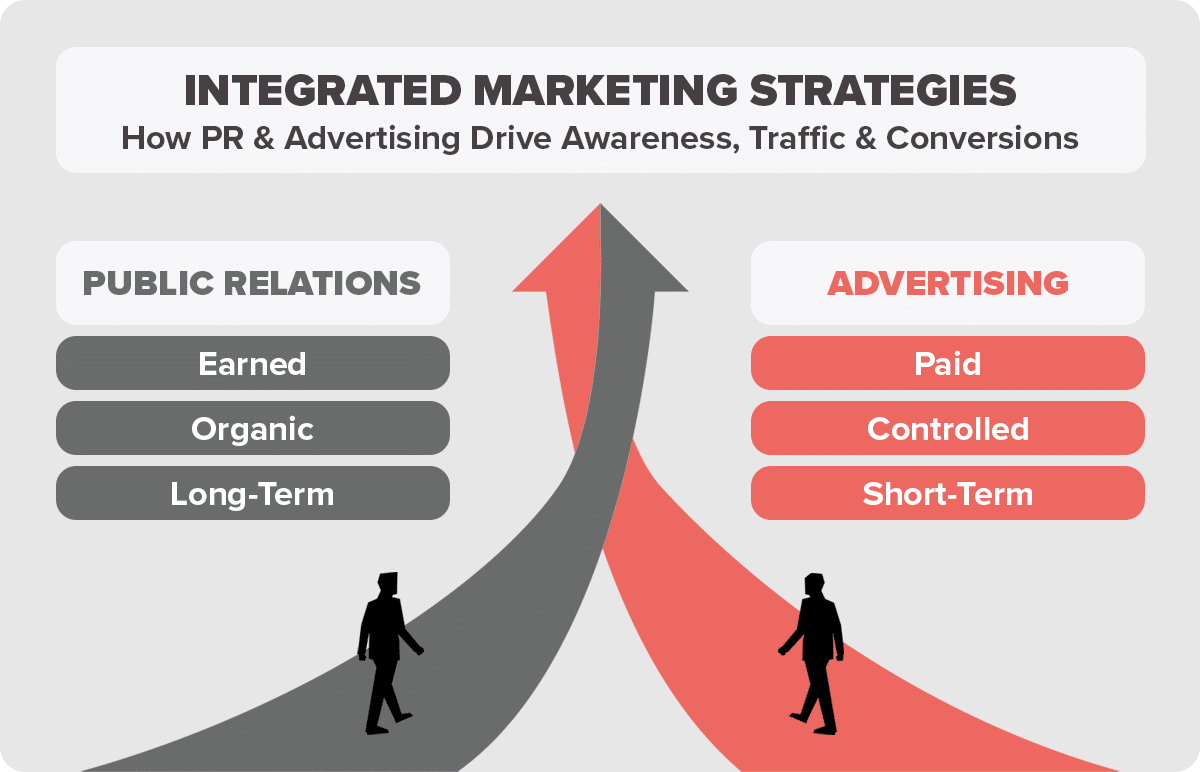
Building an effective brand name marketing method requires a clear, linked approach. Early choices shape whatever that follows, from how the brand name shows up in market to how groups carry out and measure success. The structure listed below describes how to move from brand name definition to execution and optimisation in a useful, structured method.
Start by analyzing the crossway of what the business does distinctively well, what clients really need, and what positive change the organization seeks to create. The process starts with stakeholder interviews across leadership, staff members, and customers to identify common styles about company strengths and goals. Brand worths equate function into behavioral principles that define how the company runs and makes choices.
How AEO Is Redefining PR Success
Document three-five particular values that emerge and check them against recent business decisions to ensure credibility. Extensive market and audience research study supplies the insights needed to position the brand name effectively and develop messaging that resonates. This research incorporates competitive analysis, customer interviews, market pattern analysis, and perception studies that expose chances for differentiation.

Latest Posts
Integrating SEO and Modern Reputation Management
Plans to Build Your Brand Strategy for 2026
Protecting Corporate Reputation in An AI World